
Operations · March 12, 2026 · 6 min read
Getting started with poultry ERP
A practical roadmap for digitizing flock records, feed logs, and financial reporting without disrupting daily operations.
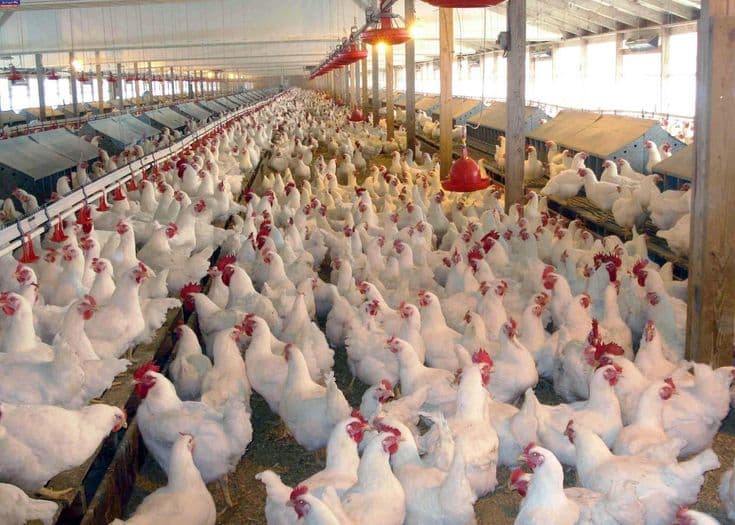
Most poultry farms still run on a mix of spreadsheets, paper house logs, and memory. It works until it doesn't — a missed mortality entry skews your feed conversion ratio, a delayed invoice throws off your margin analysis, and suddenly you're making decisions on incomplete data.
A poultry ERP doesn't replace how you farm. It gives every person on your team — managers, supervisors, field workers — one place to record what happened today and see what it means for tomorrow.
Start with your daily records
Don't try to digitize everything at once. Begin with the data you already collect every day: bird counts per house, mortality, feed issued, eggs collected, and any treatments administered.
Map these to your existing houses and batches. If you run broilers, think in terms of flocks and grow-out cycles. For layers, organize by house and production week. The goal is to mirror your real workflow, not force a new one.
Connect feed to financials
Feed is typically 60–70% of production cost. Once daily intake is logged against flock age and weight samples, you can calculate feed conversion ratio automatically — no end-of-cycle spreadsheet marathon.
Link supplier invoices and payments to the same system. When feed cost, mortality, and revenue per bird live in one place, you see margin per batch while the flock is still on the ground, not weeks after close-out.
Roll out house by house
Pilot with one or two houses and your most engaged supervisor. Let them log data for two weeks, then review the reports together. Fix gaps in the workflow before expanding site-wide.
Farms that onboard gradually see higher adoption and cleaner data than those that flip a switch across every house on day one.